If you want a Queens neighborhood that feels quieter, greener, and more residential without losing access to the rest of the city, Little Neck deserves a closer look. For many buyers and sellers, the challenge is understanding what daily life here actually feels like beyond a map search or quick drive-through. This guide will walk you through Little Neck’s setting, lifestyle, commute options, and housing mix so you can decide whether it fits your next move. Let’s dive in.
Little Neck at a Glance
Little Neck sits on the far eastern edge of Queens, stretching from Little Neck Bay northward to the Nassau County line and south to the Grand Central Parkway. According to Queens Community Board 11, it is a very suburban area made up largely of one-family homes.
That setting gives Little Neck a noticeably different rhythm from many other parts of New York City. You get a more low-key, residential environment, with quiet streets and a lower-density feel that appeals to buyers who want more space and a calmer day-to-day setting.
What Daily Life Feels Like
Life in Little Neck tends to center on home, routine, and convenience rather than a dense commercial scene. The neighborhood has restaurants along Northern Boulevard, but its retail footprint is more modest than nearby areas.
That matters because many residents enjoy having a quieter home base while still using nearby business corridors for additional errands, dining, and shopping. In practical terms, Little Neck often feels more residential than neighboring Bayside, while still staying connected to the larger Northeast Queens network.
A quieter Northeast Queens setting
Community Board 11 notes that nearby Bayside includes a busier commercial corridor on Bell Boulevard, while Douglaston has its own smaller business district near the train station. By comparison, Little Neck feels more tucked away and home-focused.
If you value a neighborhood where the residential character leads the experience, that can be a major plus. You are not cut off from activity, but your everyday backdrop is more suburban in tone.
Community anchors and local identity
Little Neck also has a few features that give it a distinct local identity. Community Board 11 highlights the community board office, the area’s at-grade Long Island Rail Road crossing, restaurants on Northern Boulevard, Udalls Cove, and the annual Memorial Day Parade.
Those details may seem small, but they help shape the personality of a neighborhood. They create a sense of place that goes beyond housing alone.
Parks and Outdoor Access
One of Little Neck’s strongest lifestyle advantages is access to nature and open space. If outdoor time matters to you, this part of Queens offers more than many buyers expect.
NYC Parks identifies Alley Pond Park as the second-largest park in Queens, with more than 530 acres of natural areas. That scale gives residents access to a meaningful amount of green space for recreation and a stronger sense of separation from the city’s denser built environment.
Walking, running, and waterfront scenery
City planning documents describe Joe Michaels Mile as a 2.4-mile paved path along Little Neck Bay used for walking, running, and biking. For residents who like to build movement into everyday life, that is a valuable amenity.
The waterfront setting adds to the appeal. It gives the area a more open, scenic character and supports the neighborhood’s suburban feel.
Natural areas around the bay
The local natural environment is another standout. The New York City Department of Environmental Protection describes Little Neck Bay as a major waterfowl wintering area and a regionally important recreational fishing resource.
DEP also notes that most of Udalls Cove is mapped as parkland and managed as the Udalls Cove Preserve. Together, these spaces give Little Neck a nature-oriented identity that is not easy to find in many city neighborhoods.
Commuting From Little Neck
For many buyers, transit is one of the biggest reasons to consider Little Neck. The neighborhood feels residential and suburban, but it still offers practical connections for work, errands, and regional travel.
The Little Neck Long Island Rail Road station sits on the Port Washington Branch. Current planning documents note that this branch connects riders to Grand Central and Penn Station in Manhattan.
What to know about LIRR access
If you are comparing Northeast Queens neighborhoods, rail access can be a major deciding factor. Little Neck’s station offers a direct connection that many commuters value, especially if they want more home space without giving up access to Manhattan.
The station parking page also notes that parking is privately operated and requires monthly permits or daily fees. If your household expects to drive to the station, that is a practical detail worth factoring into your routine.
Bus service in the area
Little Neck does not sit on a subway line, but it does have bus connections that support daily mobility. MTA route information shows the Q12 along Northern Boulevard between Little Neck and Flushing, the Q30 between Little Neck and Jamaica, and the Q36 between Little Neck and Jamaica via Little Neck Parkway and Hillside Avenue.
The station information page also lists Q79 service. Together, these routes help connect Little Neck to the broader Queens transit network.
Housing in Little Neck
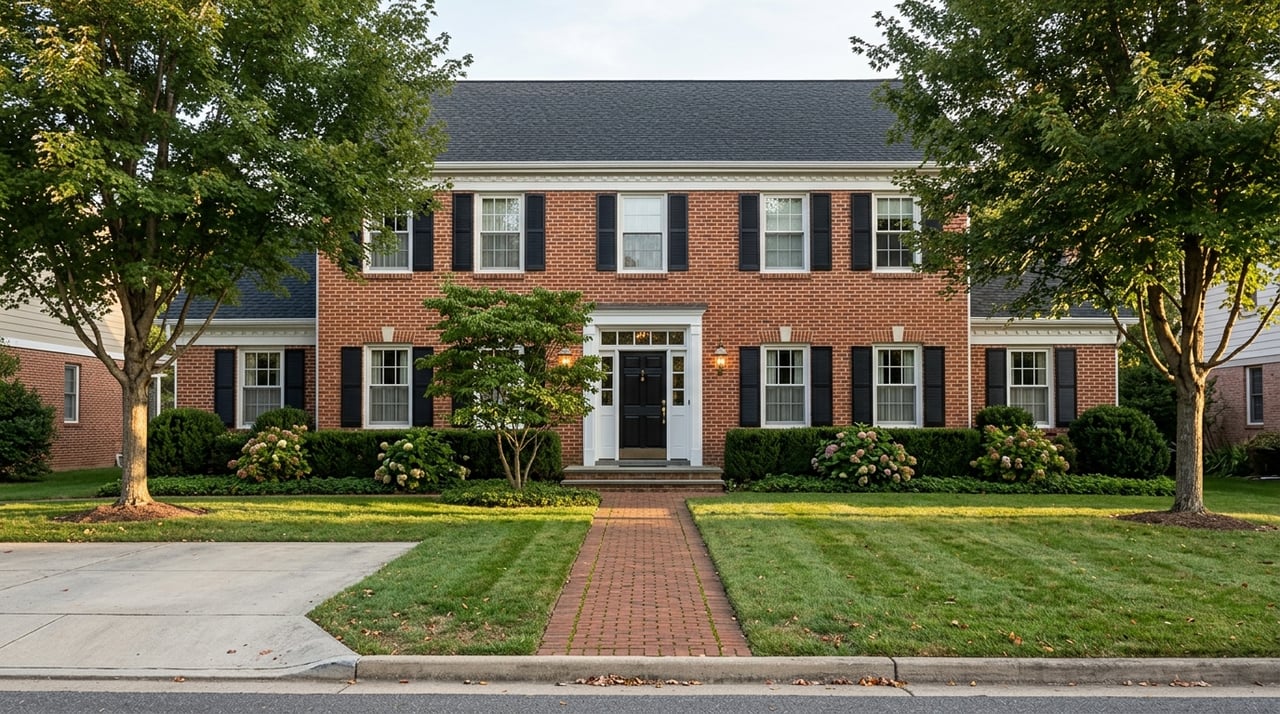
Little Neck is best understood as a low-rise, low-density housing market. This is not a neighborhood defined by tall apartment buildings or a dense urban streetscape.
Community Board 11 says the area is primarily one-family homes. That housing pattern helps explain why Little Neck often appeals to buyers who want a more traditional residential setting within Queens.
North and south of Northern Boulevard
Housing character varies somewhat within the neighborhood. Community Board 11 describes the north side of Northern Boulevard as having smaller Bossert Homes built in the late 1920s as affordable housing.
South of Northern Boulevard, the area includes larger homes in Little Neck Hills as well as a large garden-apartment complex. This difference gives buyers a wider range of home styles and scales within the same neighborhood.
The broader housing mix
City planning documents for the larger Douglaston-Little Neck area describe a mix of detached and semi-detached one- and two-family homes, some multifamily stock, and commercial overlays concentrated along Northern Boulevard and Little Neck Parkway.
For you as a buyer or seller, this matters because the housing stock influences not just price points, but also block feel, privacy, and day-to-day experience. In Little Neck, the overall pattern still leans strongly residential.
How Little Neck Compares Nearby
Many buyers looking in Little Neck also compare Bayside and Douglaston. These neighborhoods share a broader Northeast Queens setting, but they offer different lifestyles.
Bayside is described by Community Board 11 as mostly single-family homes with some garden apartments and a busy commercial corridor on Bell Boulevard. Douglaston is known for tree-lined single-family streets and a smaller commercial district near its train station.
Why buyers cross-shop this area
This part of Queens gives you the chance to compare several neighborhood styles within a relatively close area. You may find that one location offers the housing type you want, while another offers the daily setting or commute pattern that fits better.
Little Neck often stands out for buyers who want a quieter environment and a stronger suburban feeling. Nearby neighborhoods can widen your shopping, dining, and housing options without taking you far from the same general market area.
Practical Housing Takeaways
NYC Health’s Bayside-Little Neck housing profile provides useful context for the area. It reports lower-than-most rates for household crowding, mice or rats, cockroaches, and court-ordered evictions.
The same profile reports that 93.7% of households have functioning air conditioning, while rent burden sits in the middle of NYC neighborhoods. Taken together, that points to a comparatively stable and lower-intensity housing environment than many other parts of the city, even though affordability pressure still affects some renters.
For buyers, that can support the impression of Little Neck as a more settled residential area. For sellers, it reinforces the neighborhood’s appeal to people seeking a quieter, space-oriented Queens lifestyle.
Who Little Neck May Suit Best
Little Neck tends to fit buyers who want a suburban-feeling Queens neighborhood with access to parks, strong rail service, and a quieter daily rhythm. It can also appeal to sellers whose homes match that lifestyle and who want to position their property clearly in the Northeast Queens market.
If you are weighing Little Neck against nearby neighborhoods, the key is to look beyond square footage alone. Pay attention to commute patterns, street character, access to outdoor space, and the type of housing stock that best fits your next chapter.
Whether you are buying, selling, or simply trying to understand how Little Neck fits into the broader Northeast Queens market, thoughtful local guidance can make the process much clearer. If you are considering a move in Little Neck or nearby, Joanne Hantzopoulos offers experienced, hands-on guidance with a calm, strategic approach.
FAQs
What is daily life like in Little Neck, Queens?
- Little Neck has a quieter, more residential feel than many other parts of Queens, with restaurants along Northern Boulevard, easy access to nearby shopping areas, and strong access to parks and waterfront open space.
What types of homes are common in Little Neck?
- Little Neck is made up largely of one-family homes, with smaller late-1920s Bossert Homes north of Northern Boulevard, larger homes to the south, and some garden-apartment and multifamily housing in the broader area.
Is Little Neck good for commuting to Manhattan?
- Little Neck offers Long Island Rail Road access on the Port Washington Branch, with connections to Grand Central and Penn Station, plus local bus service to Flushing, Jamaica, and other parts of Queens.
How does Little Neck compare with Bayside and Douglaston?
- Little Neck generally feels more residential and quieter, while Bayside has a busier commercial corridor and Douglaston has its own smaller station-area business district and tree-lined residential streets.
What outdoor amenities are near Little Neck?
- Residents have access to Alley Pond Park, Joe Michaels Mile along Little Neck Bay, and natural areas connected to Udalls Cove and the bayfront environment.
Is Little Neck mostly urban or suburban in feel?
- Little Neck is widely described as having a suburban feel, with lower-density housing, quieter streets, and a stronger emphasis on one-family homes than many other New York City neighborhoods.