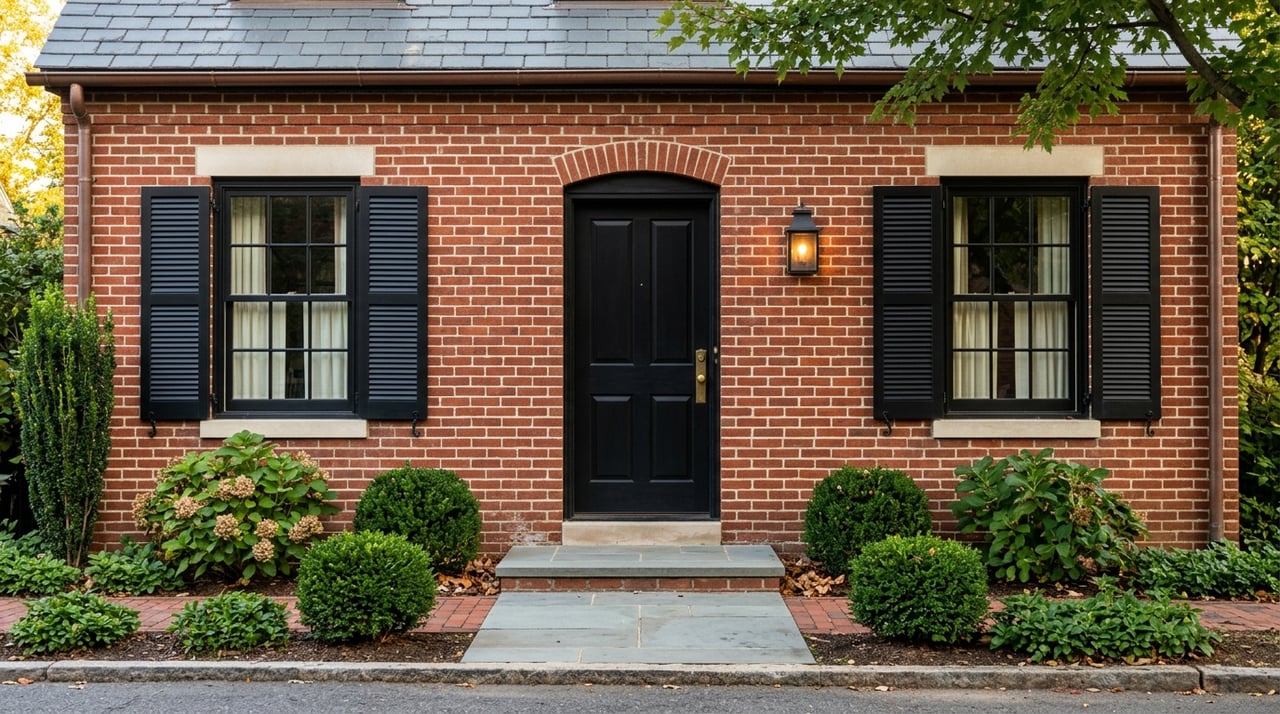
If you are looking for a North Shore village with real history, a walkable downtown, and a housing story that feels distinct from the wider suburban landscape, Roslyn deserves a closer look. For many buyers and locals, the appeal is not just that Roslyn is charming. It is that the village has kept its historic character while remaining active, scenic, and easy to explore on foot. This guide will walk you through what makes Roslyn Village special, from its past and public landmarks to its shops, green spaces, and homes. Let’s dive in.
Why Roslyn Village Stands Out
Roslyn Village is an incorporated village in the Town of North Hempstead in Nassau County, located on the southern tip of Hempstead Harbor. According to the village's 2024 stormwater plan, Roslyn had a 2020 census population of 2,970 and covers about 0.6 square miles. That small size helps explain why the village feels intimate and easy to experience.
Official village materials describe Roslyn as a historic Gold Coast village that was once an active mercantile port and is now known for restored houses, historic monuments, and a vibrant downtown. In simple terms, you get a compact village center with layers of history built into everyday life. That is part of what sets Roslyn apart from more auto-oriented communities nearby.
The village code also reinforces that identity. Roslyn’s commercial district is intended to remain small-scale and pedestrian-oriented, and the code also allows for a transit-oriented mixed-use district near the Long Island Rail Road station. Together, those policies support the village’s walkable character and help preserve its compact historic feel.
Roslyn’s History in Everyday View
Roslyn was originally known as Hempstead Harbor until 1844. Over time, the village developed around industry, trade, and transportation, and several milestones still shape how the area feels today. That history is not hidden away. You can see it as you move through the village.
Some of the key dates include:
- 1773: construction of the first paper mill on Long Island
- 1864: arrival of the Long Island Rail Road
- 1895: erection of the Ellen E. Ward Memorial Clock Tower
- 2001: Roslyn Pond Park renamed Gerry Park
These moments matter because they show how Roslyn evolved from a working mill and port village into a preserved downtown with civic landmarks and public gathering places. The village did not become historic by accident. Local preservation efforts helped protect what makes it special.
The Roslyn Landmark Society, founded in 1961, describes Roslyn as a preservation success story. That long-standing local advocacy helps explain why the village still has such a strong sense of place today.
Historic Districts Shape the Village
One of Roslyn’s defining features is the Roslyn Village Historic District, which is listed on the National Register of Historic Places. The village’s architectural guidance describes it as an intact, cohesive enclave of buildings and streetscapes dating from about 1680 to 1930. It includes two mill ponds, a stream, a public park, and wooded hillsides that help create a contained, scenic setting.
This district is especially important because it is the only large concentration of historic buildings and streetscapes that survived within the village. When you walk through Roslyn, you are not just seeing a few preserved buildings. You are seeing a broad historic environment that still reads as a connected place.
Within that larger district, the Main Street Historic District stands out for its concentration of Greek Revival frame houses. That helps explain why the center of Roslyn feels older and more visually unified than many surrounding areas on the North Shore.
What the Architecture Tells You
Roslyn is not defined by one single architectural style. Instead, it has a layered built environment that reflects different eras of growth and preservation. That makes the village feel rich and varied without losing its overall coherence.
You may notice:
- Early wood-frame houses
- Late Federal details
- Greek Revival homes
- Queen Anne and Eastlake influences
- Twentieth-century Georgian and Colonial Revival civic buildings
For buyers, this means the housing stock in the village core tends to feel historic rather than subdivision-based. The historic district guidance notes that Roslyn’s core was largely built out by 1930 and retained a predominantly residential character. In practical terms, that often means older homes, smaller lots, denser streetscapes, and a strong sense of architectural continuity.
A Walkable Downtown Experience
One of the most common questions people ask is whether Roslyn Village is truly walkable. Based on the village code and the way the commercial core is planned, the answer is yes, especially in the central village area. Roslyn’s size and zoning both support a pedestrian-friendly experience.
The C-V Village Commercial District is intended for uses such as retail stores, personal service businesses, banks, galleries, interior design showrooms, artisan manufacturing, municipal uses, and limited restaurants and cafés. Size caps in the district help keep the area compact. That is a big reason the downtown feels like a village center rather than a spread-out commercial corridor.
Official village messaging also points to shops, restaurants, and one-of-a-kind boutiques as part of Roslyn’s downtown identity. For you, that means a visit can feel casual and enjoyable, with room to browse, stop for a meal, and take in the streetscape without needing to cover a large area.
Landmarks Worth Seeing
Roslyn offers several public-facing landmarks that help tell the story of the village. If you are exploring on foot, these are some of the places that give the village its character.
Ellen E. Ward Memorial Clock Tower
Located on Tower Place, the Ellen E. Ward Memorial Clock Tower was erected in 1895 and remains one of the most recognizable symbols of Roslyn. It gives the village center a strong visual landmark and connects the downtown to its late nineteenth-century civic identity.
Van Nostrand-Starkins House
On Main Street, the Van Nostrand-Starkins House is one of the best-known historic structures in the village. The village’s historic homes information notes that it is leased for operation as a museum by the Roslyn Landmark Society. It is a tangible reminder of Roslyn’s early residential history.
Roslyn Grist Mill
The Roslyn Grist Mill on Old Northern Boulevard is one of the most important historic sites in the village. The Roslyn Landmark Society describes it as a rare surviving Dutch-framed colonial watermill and one of the last Dutch-type water mills in the United States. More than a scenic stop, it is one of the clearest links to Roslyn’s origins as a mill village.
Bryant Library
Bryant Library on Paper Mill Road is another major community anchor. The Roslyn Landmark Society describes it as the oldest continuing library in Nassau County, and the village notes that it hosts lectures, book signings, and art exhibits. It adds a civic and cultural dimension to the downtown beyond shopping and dining.
Green Space and Waterfront Character
Roslyn is not a beach town, but it does have a distinctive scenic setting. The historic district sits in a narrow valley extending south from Hempstead Harbor, and that geography gives the village a harbor-and-creek identity that feels different from a typical inland downtown.
Gerry Park plays a major role in that experience. The village describes it as a 16-acre green space in the middle of the village that hosts seasonal recreation and summer events. It helps create breathing room in the center of town and adds to Roslyn’s appeal as a place to stroll and spend time.
Village rules along Roslyn Creek also aim to preserve continuous public access and park-like edges along the waterfront. That planning approach supports the scenic quality of the village and helps maintain the connection between downtown, open space, and water.
What Homes in Roslyn Village Feel Like
If you are considering a move to Roslyn, the village housing experience is closely tied to preservation and setting. The homes that stand out most in the core are historic houses shaped by the village’s long development timeline. This is not a place known for broad tracts of similar suburban homes.
Instead, many buyers are drawn to Roslyn for its older homes, established streetscapes, and architectural detail. The setting often feels more connected and intimate than in nearby areas with larger lots or later development patterns. If you value character, walkability, and a strong sense of place, Roslyn Village has a very specific appeal.
It is also useful to understand Roslyn in the context of nearby communities. Local preservation sources describe Roslyn Village as the historic heart of the area, while nearby places offer different experiences.
How Roslyn Compares Nearby
Here is a simple way to think about the local context:
- Roslyn Village: the historic core, with a walkable Main Street, major landmarks, and a dense concentration of eighteenth- and nineteenth-century architecture
- Roslyn Heights: more station-oriented, with a cohesive historic district of 77 homes dating largely to the late nineteenth and early twentieth centuries
- Roslyn Estates: a planned village with tree-lined streets and an informal village atmosphere
- East Hills: generally more spacious and quieter in character
- Roslyn Harbor: directly on Hempstead Harbor, with estate-era landmarks including Cedarmere
That comparison can be helpful if you are trying to decide what kind of North Shore setting fits your goals. Roslyn Village tends to appeal to people who want a compact historic center and a more walkable day-to-day feel.
Why Roslyn Appeals to Buyers
Roslyn Village offers a combination that is hard to duplicate on Long Island. You get history that is visible, not abstract, a downtown designed to stay small-scale, scenic public spaces, and a housing stock with real architectural depth. For many buyers, that creates a lifestyle defined less by sprawl and more by place.
If you are comparing villages on the North Shore, Roslyn is worth seeing in person. The details that make it stand out, from the clock tower and grist mill to the streetscape and creekside setting, are best understood when you walk through the village yourself.
Whether you are exploring the area for a move now or simply narrowing down your options, having the right local perspective can make the process much clearer. If you are thinking about buying or selling on the North Shore, Joanne Hantzopoulos can help you evaluate neighborhoods, property fit, and next steps with thoughtful, hands-on guidance.
FAQs
Is Roslyn Village walkable for everyday browsing?
- Yes. Roslyn Village is compact, and the village commercial district is planned as a small-scale, pedestrian-oriented area with shops, services, and limited restaurants and cafés.
What kinds of homes are found in Roslyn Village?
- Roslyn Village is known for historic homes from multiple eras, including early wood-frame houses, Greek Revival homes, and later architectural styles that reflect the village’s development through about 1930.
What makes Roslyn Village different from nearby communities?
- Roslyn Village is the historic heart of the area, with a walkable downtown, nationally recognized historic resources, and a dense concentration of older architecture that differs from more spacious or more station-oriented nearby communities.
What are the best landmarks to see in Roslyn Village?
- Some of the best-known stops include the Ellen E. Ward Memorial Clock Tower, the Van Nostrand-Starkins House, the Roslyn Grist Mill, Bryant Library, and Gerry Park.
Does Roslyn Village have waterfront scenery?
- Yes. While it is not a beach community, Roslyn has a scenic harbor-and-creek setting shaped by Hempstead Harbor, Roslyn Creek, mill ponds, and public green space in the historic district.
Why do buyers consider Roslyn Village homes?
- Buyers are often drawn to Roslyn Village for its historic character, walkable center, preserved architecture, and distinct sense of place within the North Shore market.